$ cat posts/playing-your-cards-right.md
Playing your cards right
I like Netflix. I don’t like TV, meaning today’s broadcast television. I stopped watching it a long time ago, and I used to be a real TV junkie, but its reality shows and its awful newscasts wore me out years back. I grew up in the seventies, when television meant, at least in Chile, Yankee series like Star Trek, The Six Million Dollar Man, Bonanza, and “Tardes de Cine”, the afternoon movie slot, with Abbott and Costello or Dean Martin and Jerry Lewis pictures, and every now and then some horror classic, like The Mummy with Boris Karloff, or Dracula with Bela Lugosi. I even remember watching Hitchcock’s Psycho on Televisión Nacional one summer night when I was about thirteen or fourteen. So the movies I saw weren’t that bad :wink: At least back when television was public, for real.
That’s why I like Netflix, because I find old series there, but I’ve also given the service a chance, and little by little its catalog has started to interest me more. I’ve found a few gems, not-so-old movies that probably never made it to our theaters, or I get to catch up on series I couldn’t watch when they were on cable, like Galactica or Breaking Bad.
But there are two more reasons why I like Netflix. One is that they have entered the original production phase, a move Amazon and YouTube are making too. And the other reason is that they have a remarkable team of developers.
This post is about the first reason. The technology side, and how they manage their technology team, will be left for the next post.
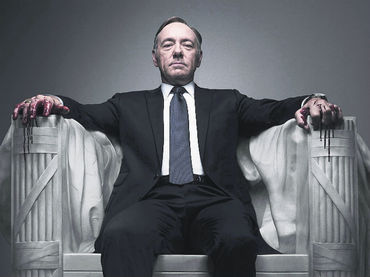
In February Netflix premiered the series House of Cards, a political thriller set in Washington DC. It is produced by the talented film director David Fincher (Seven, Fight Club, Zodiac, The Social Network), who also directs the first episodes, and by Kevin Spacey, who plays the lead. A sort of Richard III (you have to read Shakespeare, kids), scheming, ambitious, and making the viewer his accomplice by speaking straight to the camera, just as he does in the promotional video for the series, which is a scene from the first episode:
It’s a very well made series, but the remarkable thing is the way it has been released. Unlike other, more “traditional” networks such as HBO (Game of Thrones) or AMC (Mad Men), in this case Netflix released the entire first season, all 13 episodes, on February 1, 2013. I like this series, and I recommend it, and if anyone wants to discuss the plot with me, the comments are down below ;-) (just be kind to everyone else and give a warning when you’re about to reveal part of the plot for those who haven’t seen it (spoiler alerts)).
Like many of us who no longer watch television passively, what I look for is complete series available over the internet. I don’t like depending on the cable schedule, I want to watch them when I have time, at my own pace, and I usually like watching them in “marathons”. That’s why “pirate” sites like Cuevana or Series Yonkis are so popular, especially in Latin America. And the people at Netflix understand this very well, as you can tell from the words of Reed Hastings, the company’s CEO, in an interview in EMOL from last year:
One of the problems in the Latin American market is piracy, which offers new content for free, albeit illegally. How do you convince people that Netflix is a good option?
“It’s challenging, with Cuevana and other sites that look very professional. But Cuevana at night is very difficult, and they don’t have the money to invest and improve the system. It’s like bottled water. Not everyone is going to pay for it, not everyone can pay for it, but it’s healthier. What we have to do is make streaming work perfectly, while expanding the selection. Some people will stay with piracy, others will convert. The one good thing about piracy is that it introduces people to the concept of video over the internet.”
Do content producers see Netflix as a way to reach Latin America legally?
“Yes. They are the ones who lose the most to piracy, so they have supported us. But they want us to pay. They like what we do, but they want us to pay.”
It’s true that there is a problem with the film industry’s attitude. They don’t realize that by being so closed-minded they are losing a lot of money. That’s why in Latin America we still can’t get certain content that is available in the US or Canada, and meanwhile, people keep visiting “pirate” streaming sites.
With more than 30 million subscribers, Netflix now feels confident enough to create original material, and in doing so it sidesteps many of the restrictions imposed by the greedy studios.
I, for one, happily pay the 8 dollars for the service. It seems like a reasonable price, I get content that satisfies me, and I watch it when I want. Yes, it’s true that they analyze my behavior and my content consumption habits, but that doesn’t worry me much if in the end they give me content that fits my tastes. So far, at least, Netflix has proven more effective than the old People Meter at giving me quality programming, something that no longer exists on television. This comes from a top-notch software development team, which is the side of Netflix I like the most, but I’ll talk about that in the next post.
Comments
comments powered by Disqus